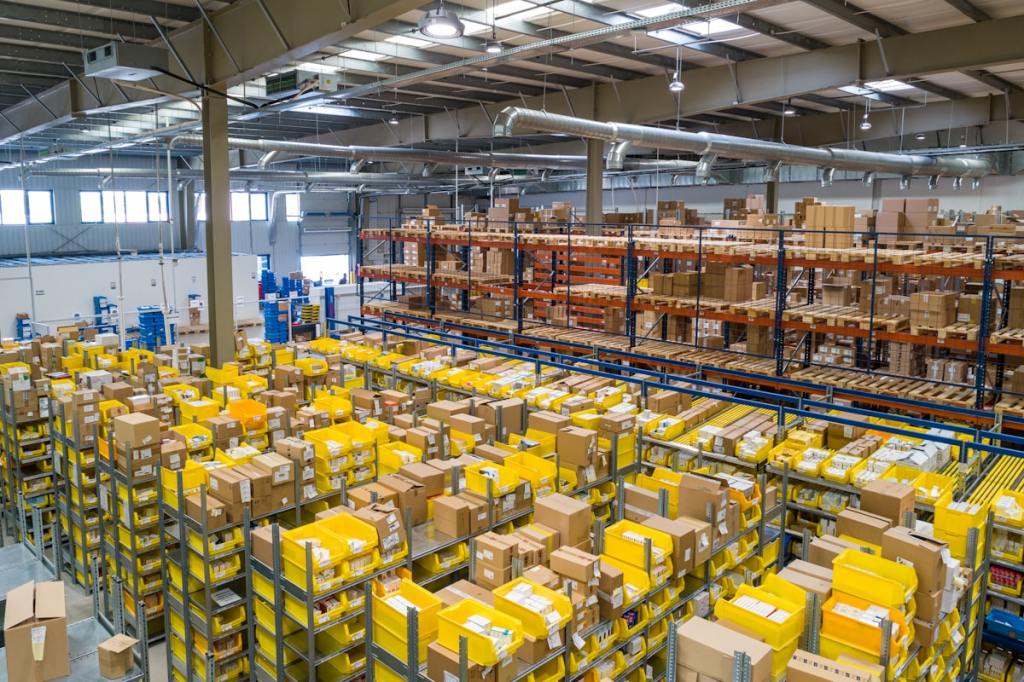
Restaurant food cost is not static. Even with perfect portioning, zero waste, and disciplined ordering, your food cost percentage will move — because the prices of the ingredients you buy move. Commodity costs, the underlying market prices for the proteins, produce, dairy, and grains that make up your menu, fluctuate based on factors that have nothing to do with your restaurant: weather events, energy prices, supply chain disruptions, labor costs in agricultural markets, and global demand patterns.
Understanding how commodity pricing works, why it changes, and what you can do to manage the exposure is an important dimension of restaurant financial management that often does not get the attention it deserves until a price spike forces the conversation.
Why Commodity Prices Change
The prices you pay for food are downstream of complex commodity markets. Chicken breast prices, for example, are influenced by corn and soybean meal prices (feed costs), energy costs (processing and transportation), labor availability in processing facilities, and consumer demand patterns across retail and foodservice. A drought in the Midwest, an avian influenza outbreak, or a spike in diesel prices can ripple through to your protein invoice within weeks.
Produce is similarly volatile. Lettuce prices can triple in weeks following a heat event in California’s Salinas Valley. Citrus markets move on Florida frost. Tomato prices swing seasonally and in response to weather in Mexico, where a significant portion of winter produce supply originates.
Dairy, cooking oil, and eggs — all foundational ingredients for most concepts — are commodity-priced and can move significantly within a quarter. Operators who have not refreshed their recipe costing in 18 months may be working with a food cost model built on prices that bear little resemblance to current market reality.
The Impact on Food Cost Percentage
The mathematical relationship between ingredient prices and food cost percentage is direct. If the cost of your most popular protein increases by 15 percent and you have not adjusted either your menu price or your portion size, your food cost percentage on that item rises by 15 percent. At scale — across hundreds of covers per week — this has meaningful P&L impact.
Here is a concrete example. A restaurant’s top-selling salmon dish has a plate cost of $9.00 at a menu price of $30, producing a food cost of 30 percent on that item. Salmon prices increase by 20 percent, bringing the plate cost to $10.80. Without any menu price or portion adjustment, food cost on the dish rises to 36 percent. If that dish represents 20 percent of total covers, the blended food cost impact is approximately 1.2 percentage points — real money on a $100,000-per-week operation.
This is why recipe costing should not be a one-time exercise. It should be revisited whenever a major ingredient price change occurs, and at minimum quarterly for any high-volume item.
Tools for Managing the Exposure
Price awareness and proactive monitoring. The starting point is simply knowing what ingredient prices are doing before they appear on an invoice. Building a relationship with your main distributors and asking for price alerts or weekly market updates gives you advance notice to plan around changes rather than react to them after the fact.
Menu engineering adjustments. When commodity prices rise significantly on a specific ingredient, menu engineering is a faster and often more effective response than an immediate price increase. Promoting dishes with better margin profiles — driving guests toward items with lower commodity exposure — reduces the financial impact without requiring an across-the-board price change that may generate guest friction.
Portion and recipe adjustments. A modest portion reduction — from 8 ounces to 7.5 ounces on a protein — is often imperceptible to guests but meaningful in aggregate cost. A recipe reformulation that reduces dependency on a high-cost ingredient, or substitutes a different cut or species with a better price point, may achieve the same guest experience at a lower cost. These are permanent improvements to the cost structure, not temporary responses to a price spike.
Menu price adjustments. When commodity inflation is sustained rather than temporary, menu pricing must eventually reflect it. The alternative — absorbing commodity cost increases indefinitely while holding menu prices static — erodes margin permanently. A 3 to 5 percent menu price adjustment on items most affected by commodity inflation, communicated confidently and without apology, is generally well-absorbed by guests when the product quality and experience remain strong.
Locking pricing with suppliers. Some distributors offer the ability to lock pricing on specific high-volume items for 30, 60, or 90 days. This is not always available or advantageous, but during periods of anticipated price volatility — a tight protein market, seasonal produce transitions — securing a locked price on a key ingredient can provide meaningful protection. Understand the tradeoff: locked pricing protects against upside volatility but means you do not benefit if prices fall.
Building Commodity Awareness into Your Financial Process
The practical discipline is to include commodity cost review in your regular financial process. When you review your P&L at the end of the month, compare your current recipe costs for top-volume items to what you were paying 90 days ago. If a key ingredient has moved more than 10 percent, model the food cost impact and determine whether a recipe, pricing, or menu mix response is warranted.
This takes less time than most operators expect — 30 minutes per month for a focused review of your top 10 ingredients by cost — and catches the drift that compounds when commodity changes are absorbed quietly into a rising food cost percentage without anyone quite knowing why.
The author is a former CFO for a multi-unit restaurant brand. RestaurantBottomLine.com is dedicated to helping independent operators protect their financial model.
 PROTECTING THE BOTTOM LINE