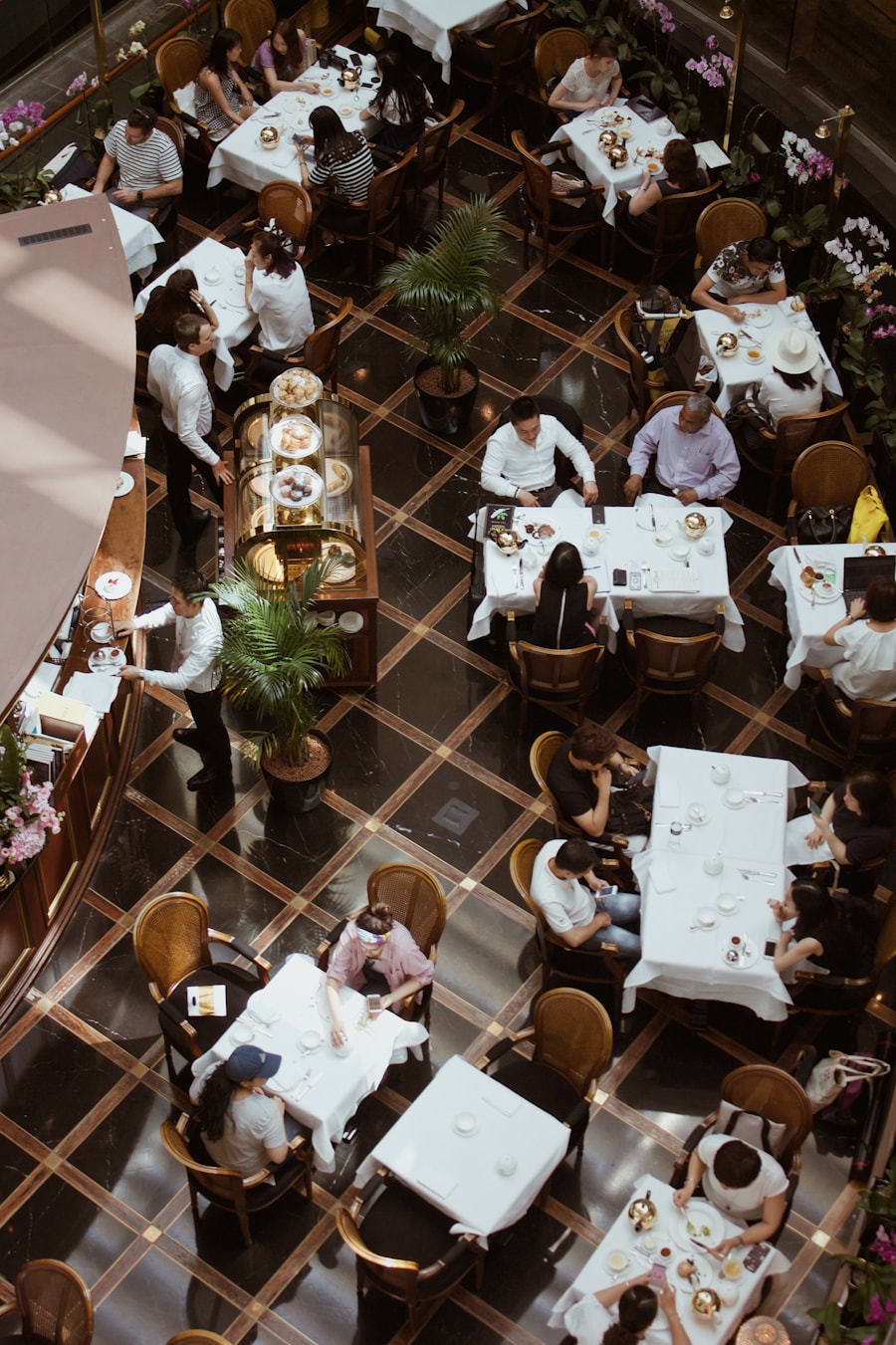
Every restaurant has them: guests who came in regularly, then gradually less frequently, then not at all. They did not necessarily have a bad experience. They did not choose a competitor in a deliberate, conscious way. Life changed, habit drifted, a new restaurant opened nearby, they got busy — and gradually your restaurant fell out of their rotation without either of you quite noticing.
These lapsed guests represent one of the most financially attractive opportunities available to an established restaurant. They already know you. They have a positive history with you. They are not cold prospects who need to be educated about what you offer — they are warm relationships that have gone dormant. The cost of winning them back is a fraction of the cost of acquiring a comparable new guest from scratch.
Defining the Lapsed Guest
A lapsed guest is typically defined as someone who visited at a certain frequency and has not been seen within a defined window beyond their normal pattern. For a weekly regular, that might be 30 days of absence. For a monthly visitor, it might be 90 days. The definition should be calibrated to your actual visit frequency distribution — what is the normal gap between visits for a regular in your guest base, and when does a gap suggest something has changed?
Without a loyalty program or reservation system that tracks individual guest visits, identifying lapsed guests is difficult. You can observe it intuitively — a server who notices that the Thursday regulars have not been in for a month — but systematic identification requires some form of guest tracking. This is one of the most compelling operational arguments for a loyalty program: it makes the invisible visible. It tells you not just who your regulars are but when they last visited, so you can identify who is at risk of lapsing before they have fully lapsed.
What Causes Lapsing
Understanding the causes of lapsing is useful because different causes suggest different responses.
Life change. Guests who move, change jobs, have children, or experience major life transitions often lapse from restaurants that were embedded in a prior routine. A couple who had a weekly date night ritual at your restaurant before having their first child is not choosing to leave — they are navigating a life transition. A proactive outreach — especially one that acknowledges the transition and offers something family-friendly or delivery-convenient — can maintain the relationship through the disruption.
Unresolved experience issue. Some lapsed guests had a negative experience that they did not complain about. They simply did not return. In a restaurant with good review monitoring and a strong response culture, some of these guests will have left a review that was responded to. Others leave quietly. If a guest’s last visit corresponded with a known operational stumble — a difficult night, a staffing gap, a supply issue that affected the menu — a proactive outreach acknowledging that period and inviting them back is appropriate.
Competitive drift. A new restaurant opened nearby, a friend recommended somewhere else, the guest’s social circle shifted its default gathering spot. This is the most common and the most difficult to address, because the pull is external. The response is demonstrating that your restaurant offers something the new option does not.
How to Win Them Back
A lapsed guest reactivation campaign, operating through a loyalty platform’s communication tools, is one of the highest-ROI marketing activities available. The mechanics are simple: identify guests who have not visited in 60 or 90 days, send them a direct, personal-feeling communication, and offer a specific reason to come back.
The communication should not be promotional in a generic discount sense. It should feel genuine: “We’ve noticed you haven’t been in for a while and wanted to share what’s new.” Combine this with an update that is actually meaningful — a new seasonal menu, a new cocktail program, a chef change — and an offer that makes the return visit feel low-risk and welcome. A complimentary dessert or a first-round beverage on the house is a gesture, not a discount. It signals that you value the relationship.
Reactivation rates on lapsed loyal guests typically run 15 to 30 percent for well-executed campaigns — dramatically higher than new guest conversion rates from any acquisition channel. A restaurant with 200 lapsed loyalty members and a 20 percent reactivation rate brings 40 guests back through the door from a single campaign. If those guests visit even three more times in the following year at an average check of $45, that is $5,400 in recovered revenue from relationships that cost nothing to reactivate beyond the gesture.
The math is compelling. The habit of running this campaign quarterly — identifying lapsed members, sending a genuine communication, and tracking reactivation — is one of the highest-return recurring marketing investments available to an established restaurant.
The author is a former CFO for a multi-unit restaurant brand. RestaurantBottomLine.com is dedicated to helping independent operators protect their financial model.
 PROTECTING THE BOTTOM LINE