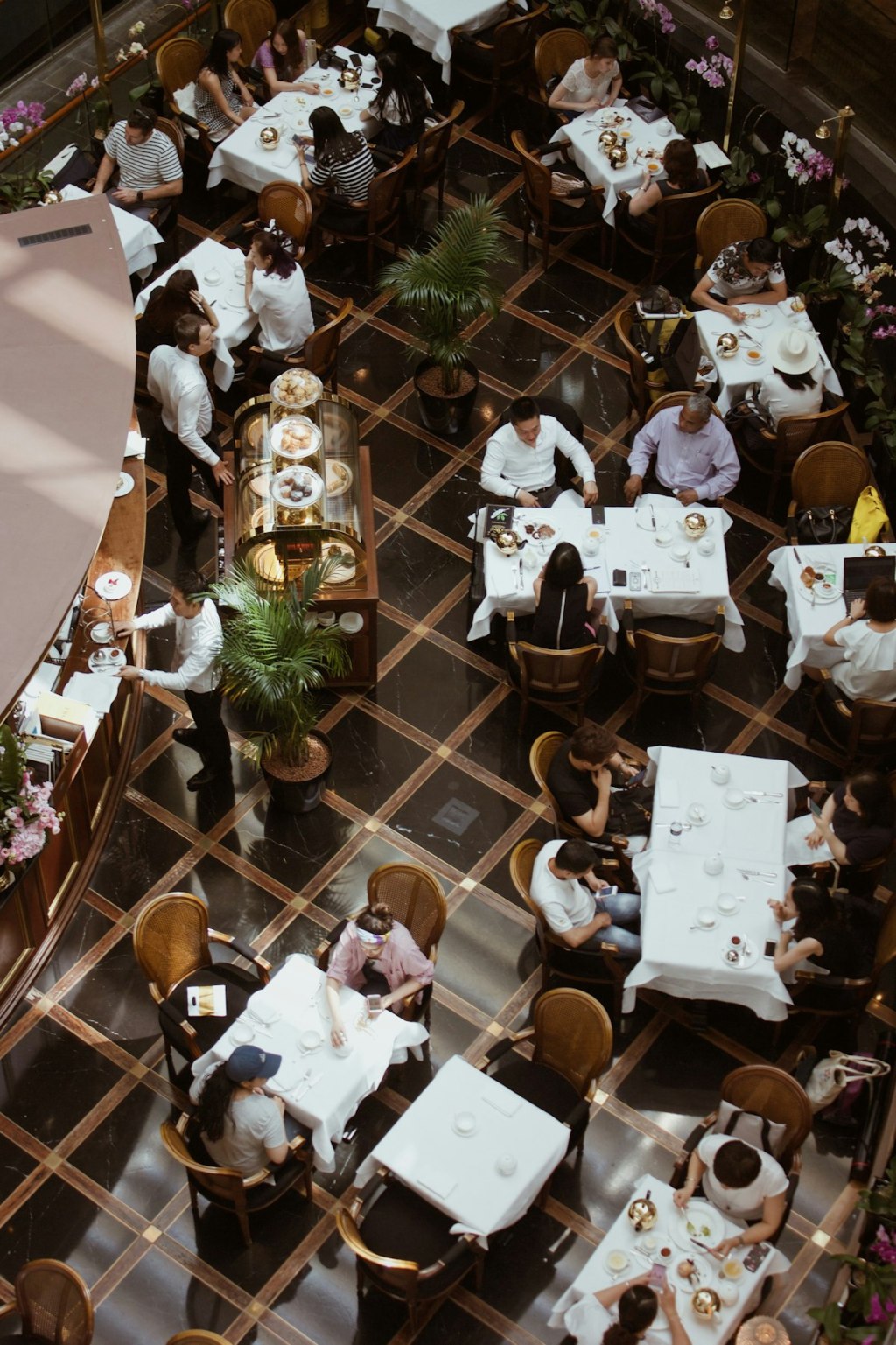
Every restaurant has a middle tier in its guest base: people who have been in once or twice, who liked the experience, who think of you positively — and who visit three or four times a year rather than every few weeks. They are not disengaged. They are not choosing a competitor. They simply have not made you a habit.
This segment — the occasional visitor — represents the most accessible revenue growth opportunity in most established restaurants, because the cost of moving them toward higher frequency is dramatically lower than the cost of acquiring a new guest entirely. The relationship already exists. The barrier is not awareness or trust — it is habit formation and top-of-mind presence.
Why Occasional Guests Don’t Come Back More Often
The occasional visitor typically has no specific reason not to return more often. They are not avoiding you. They are navigating a life full of competing choices — dozens of restaurants, delivered meals, cooking at home — without a specific mechanism that makes choosing you the natural, low-friction option.
The restaurant industry tends to attribute low visit frequency to satisfaction issues. In most cases, satisfaction is fine. The guest simply does not think of you when the next decision point arrives, because nothing has kept you top of mind between visits. A restaurant that communicates nothing to its occasional guests between visits is entirely dependent on that guest’s unprompted memory and initiative — a fragile basis for return traffic.
The Mechanisms That Convert Occasional to Regular
Communication cadence. A guest who has opted into an email list or loyalty program can be communicated with between visits. A monthly email with genuine content — a seasonal menu update, a behind-the-scenes piece, an upcoming event — keeps the restaurant present in the guest’s mental landscape. It does not need to be promotional. Its purpose is to exist in the inbox of someone who already likes you, so that when they are next choosing a restaurant, you are accessible in their memory.
Occasion anchoring. Occasional guests often visit for a specific occasion — a birthday, a work dinner, a date night. If that occasion repeats annually and the restaurant delivered a good experience, there is a natural basis for repeat visits on the same occasion. The mechanism is simple: staff who note special occasions at the table, a reservation note that flags a returning anniversary guest, or a loyalty program that records birthday visits create the opportunity for proactive outreach before the next occasion.
The second-visit conversion. Research on restaurant guest behavior consistently finds that the second visit is the most important one. Guests who visit twice are dramatically more likely to become regulars than guests who visit once. This means the operational priority after a first-time guest visit should be creating a specific, low-friction path to a second visit — a loyalty enrollment at the table, a specific follow-up offer tied to a near-term occasion, or a thank-you communication that includes a reason to return soon.
Event and programming awareness. Occasional guests who are not tracking your restaurant actively will not know about your seasonal menu launch, your wine dinner series, or your new Saturday brunch unless you tell them. Events create a specific, dateable reason to visit that does not require the guest to initiate. An occasional guest who attends a cooking class at your restaurant, or who comes in for a holiday tasting menu, has now added a new occasion anchor to their relationship with you.
Measuring the Conversion
The shift from occasional to regular is visible in loyalty program data: an enrolled member who averages 3 visits per year, nudged by communication and programming, moves to 6 visits per year. At a $45 average check, that is $135 in additional annual revenue from one guest. Across 200 such guests, the annual revenue impact of a modest frequency lift is $27,000 — generated from the existing guest base with no new acquisition cost.
The metric to track is average annual visit frequency for loyalty members by segment, trended over time. If the occasional tier is moving upward in frequency, the conversion strategy is working. If it is flat despite communication efforts, the content or cadence of outreach may need adjustment.
The occasional guest is an asset who has already demonstrated they like what you offer. The work is simply making it easier for them to act on that preference more often.
The author is a former CFO for a multi-unit restaurant brand. RestaurantBottomLine.com is dedicated to helping independent operators protect their financial model.
 PROTECTING THE BOTTOM LINE