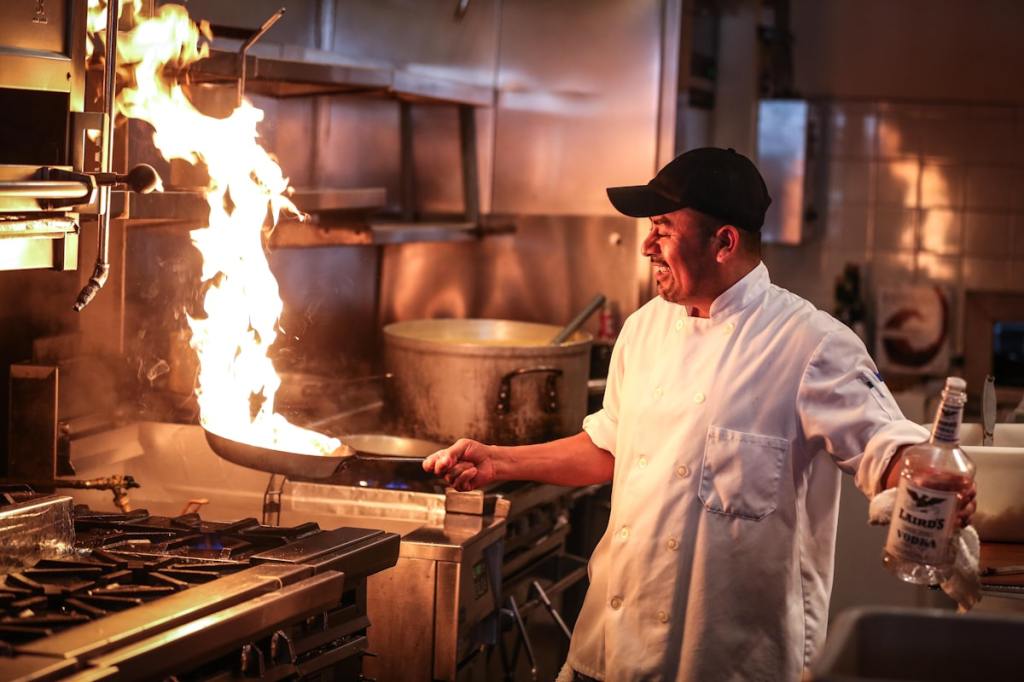
Every restaurant will face a crisis at some point. A health inspection failure. A foodborne illness complaint. A kitchen fire. A viral negative review. A key employee departure that disrupts operations. A flood, a power outage, or a global event that shuts the dining room. The crisis will arrive at the worst possible moment, on the worst possible day, and its financial impact will be determined in large part by whether the operator was prepared or not.
Crisis management in the restaurant industry is not a contingency plan for events that probably will not happen. It is a core operational and financial competency, because the restaurant business has more crisis vectors than almost any other industry — food safety, physical plant, personnel, reputation, and external environment all carry meaningful risk. Understanding the financial impact of different crisis scenarios and preparing for them deliberately is one of the more important things a financially sophisticated operator can do.
The Financial Profile of a Restaurant Crisis
Different crises carry different financial profiles. Understanding the distinction helps you prioritize preparation.
Revenue-interrupting crises — a fire, a flood, a health department closure, a forced shutdown — have an immediate and dramatic revenue impact. Revenue goes to zero or near-zero. Fixed costs continue. The reserve cash position of the business determines how long you can survive without revenue before the situation becomes existential. This is why maintaining one to three months of fixed operating expenses in accessible liquidity is not optional financial advice — it is survival planning.
Reputation crises — a foodborne illness complaint, a viral negative review, a social media incident — may not immediately stop revenue but can erode traffic over weeks and months if not handled correctly. The long-tail financial impact of a reputation crisis is often larger than the immediate event: guests who would have visited decide not to, reviews aggregate negatively, and word of mouth turns against you. The response speed and quality matter more than almost anything else.
Operational crises — a key employee leaving, a critical equipment failure, a supply chain disruption on a key ingredient — disrupt execution quality. The financial impact comes through guest experience degradation, temporary labor cost increases, and the permanent revenue loss associated with guests who visited during the difficult period and did not return.
Building a Financial Buffer
The most important crisis preparation is financial: maintaining enough liquidity that a short-term revenue disruption does not immediately threaten the survival of the business. A restaurant with three months of fixed expense coverage in the bank can survive a four-week health inspection closure, reopen, and recover. A restaurant running week-to-week may not survive the same event.
Building this reserve requires deliberate discipline during profitable periods — particularly strong summer and holiday seasons — rather than spending cash as it accumulates. A simple rule: target one month of fixed expenses in an unrestricted operating account at all times, and work toward two to three months in an accessible savings account or credit facility. A business line of credit, established and unused during normal operations, is a practical alternative that provides the buffer without requiring the cash to sit idle.
The Food Safety Response Plan
Food safety incidents deserve specific preparation because they carry both the highest guest harm potential and the highest reputational damage of any restaurant crisis. The response needs to be immediate, transparent, and coordinated.
When a potential foodborne illness complaint is received — a call, an email, a health department notification — the sequence matters:
First, take it seriously regardless of whether you believe it is valid. Defensive denial is the worst possible first response and is almost never correct. Second, pull and preserve any relevant product — the batch, the supplier lot, the prep records for the relevant date. Third, contact your local health department proactively rather than waiting for them to call you. Cooperative, transparent engagement with health authorities is consistently better for the restaurant than defensive posturing. Fourth, communicate with your team about the incident before rumors fill the vacuum.
What not to do: post defensively on social media, argue with the complaining guest publicly, or attempt to handle an active foodborne illness investigation without involving health authorities.
Managing Reputation Crises
When the crisis is reputational — a social media incident, a bad review going viral, a negative news story — the same principle applies: respond quickly, transparently, and without defensiveness.
The audience for your response is not the person who posted the complaint. It is every future potential guest who reads the thread. A restaurant that responds to a viral complaint with humility, a clear account of what happened, and a specific commitment to remedy is consistently viewed more favorably by third-party observers than one that argues or dismisses.
For genuinely serious reputation incidents — a verified food safety issue, a discriminatory incident, a criminal matter involving staff — the response likely requires a public statement, direct engagement with affected guests or communities, and often legal counsel. Having a relationship with a hospitality attorney before you need one is prudent, not paranoid.
Recovery as a Financial Strategy
After the immediate crisis is contained, the financial priority becomes accelerating recovery. Guests who avoided the restaurant during the crisis need a reason to return. Staff who were demoralized by the event need visible leadership and stability.
The most effective recovery tool in most cases is consistency — returning to the operational standard that built the restaurant’s reputation in the first place, and doing so visibly. A post-crisis period of exceptional execution, active community re-engagement, and transparent communication rebuilds trust faster than promotional offers or marketing spend.
The operators who come through crises with their business intact — or sometimes even stronger — are almost always the ones who responded with honesty, maintained their financial position through adequate reserves, and understood that the reputation was built over time and would be rebuilt the same way.
The author is a former CFO for a multi-unit restaurant brand. RestaurantBottomLine.com is dedicated to helping independent operators protect their financial model.
 PROTECTING THE BOTTOM LINE