-

Restaurant Staffing Needs: Building the Team Your Model Requires
Staffing a restaurant is one of the most consequential operational decisions an operator makes, and it is one that gets made repeatedly — every week, every season, every time someone joins or leaves the team. The difference between a staffing model that supports the financial goals of the business and one that undermines them is… Read more
-

Supplier Rebates: The Hidden Revenue Most Restaurant Operators Leave Behind
Supplier rebates are one of the most consistently underutilized financial opportunities in independent restaurant operations. They are not widely discussed, not prominently marketed by distributors, and not tracked by most operators — which is precisely why the operators who do track and capture them gain a meaningful and invisible cost advantage over those who do… Read more
-

Distribution Channels in Restaurants: How Your Food Gets from Farm to Plate
The path from a farm or manufacturer to a restaurant plate passes through a distribution system that most operators interact with daily but rarely examine strategically. Understanding how food distribution works — who the players are, how pricing is structured, and where operators have the most leverage — is the foundation of smart purchasing and… Read more
-
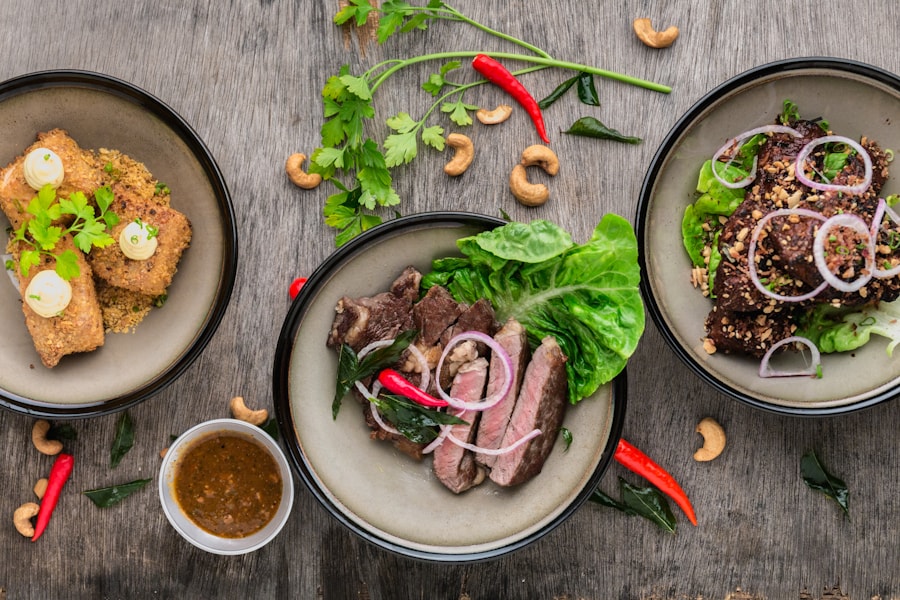
Inventory Management in Restaurants: The Discipline That Controls Food Cost
Food cost percentage is the metric most restaurant operators watch closely. Inventory management is the practice that actually determines it. Without consistent, accurate inventory tracking, your food cost number is a guess — and decisions made on guesses tend to produce outcomes that confirm how unreliable guessing is. Inventory management is not complicated in principle.… Read more
-

Ideal Food Cost and Waste Management
Waste management is a critical consideration in the restaurant business, directly affecting the bottom line. It’s essential to have a waste target, and like other key performance indicators, it requires careful monitoring and control. Measuring waste can be approached in several ways. One practical method is to assess what is being thrown away daily or… Read more
-

Packaging and Other COGS: The Hidden Costs Inside Your Food Cost Percentage
Cost of goods sold in a restaurant is typically discussed in terms of food and beverage — the ingredients that make up the menu. But COGS is broader than that, and in restaurants with meaningful takeout, delivery, or catering volume, packaging costs can become a significant line item that deserves its own analysis and management… Read more
-

Crisis Management in Restaurants: Protecting the Business When Things Go Wrong
Every restaurant will face a crisis at some point. A health inspection failure. A foodborne illness complaint. A kitchen fire. A viral negative review. A key employee departure that disrupts operations. A flood, a power outage, or a global event that shuts the dining room. The crisis will arrive at the worst possible moment, on… Read more
-

Occupancy Expenses: The Fixed Cost That Defines Your Restaurant’s Risk Profile
Of all the expenses on a restaurant P&L, occupancy is the one you can do the least about once you have signed the lease. You can negotiate food prices, schedule labor more efficiently, and renegotiate vendor terms. Your rent is your rent. That inflexibility is what makes occupancy cost the single most important financial decision… Read more
-
Optimizing Menu Mix for Profitability: Selling More of What Makes Money
A restaurant menu is not just a list of what you serve. It is a collection of financial decisions — some intentional, many inherited — that determines what your guests order and, ultimately, how much margin flows to the bottom line. Menu mix optimization is the discipline of understanding which items your guests actually order… Read more
-
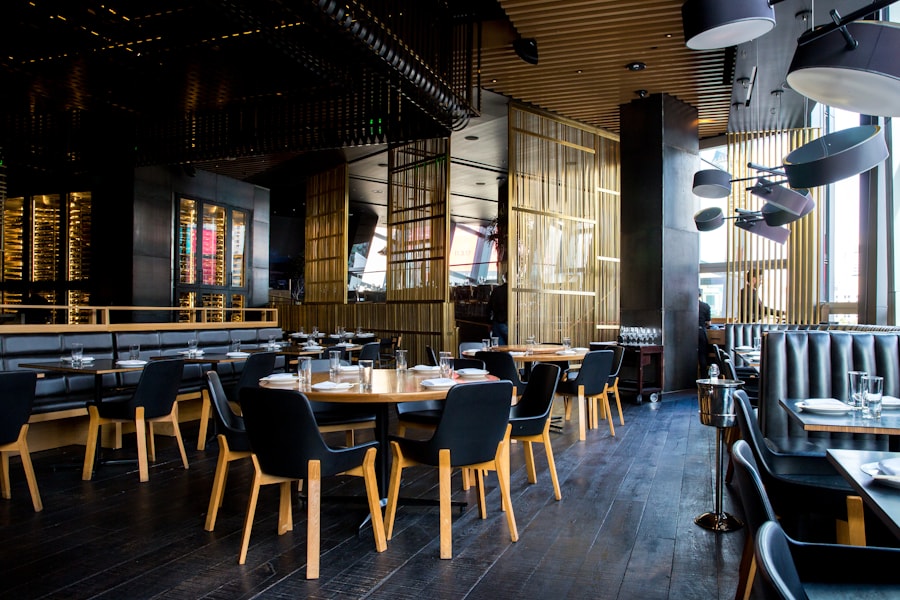
Repairs and Maintenance: The Restaurant Expense That Rewards Proactive Operators
In a restaurant P&L, repairs and maintenance is usually a small line item in good months and a punishing one in bad months. Equipment failures in a restaurant are not a question of if — they are a question of when, and the when almost never coincides with a convenient financial moment. A walk-in compressor… Read more
-
Subscribe
Subscribed
Already have a WordPress.com account? Log in now.
 PROTECTING THE BOTTOM LINE