-

Restaurant Utility Costs: Benchmarks and How to Cut Them
Utilities are a fixed presence on the restaurant P&L — electricity, gas, water, and waste removal showing up month after month with quiet consistency. Because they do not spike dramatically in the way a bad food cost week or a high-overtime payroll period does, they tend not to attract the same intensity of management attention.… Read more
-
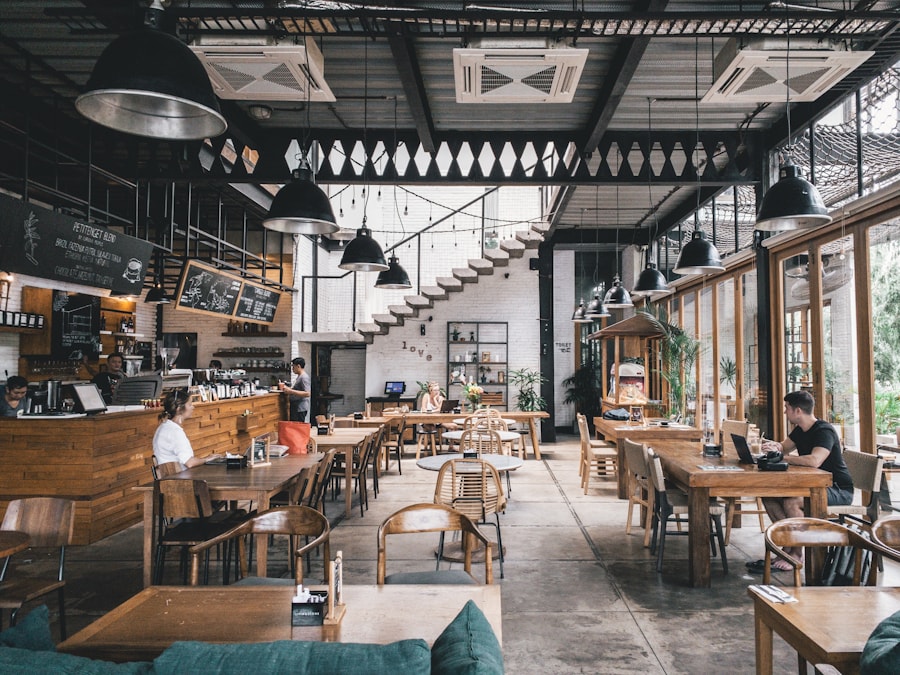
Restaurant Cleaning Costs: How Much Should You Be Spending?
Cleaning in a restaurant is not optional, not deferrable, and not separable from the guest experience. A clean restaurant is a baseline expectation, not a differentiator. But like most baseline expenses, cleaning costs can drift — upward through poor contract management and unnecessary services, or downward through underinvestment that creates health, safety, and reputation risk.… Read more
-

Limited Time Offerings: How to Drive Frequency and Buzz Without Discounting
A limited time offering — an item or menu available only for a defined period — is one of the most versatile revenue tools in the restaurant industry. It drives repeat visits, generates social media content, tests new menu concepts at low risk, and creates urgency that a permanent menu item cannot. Done well, an… Read more
-
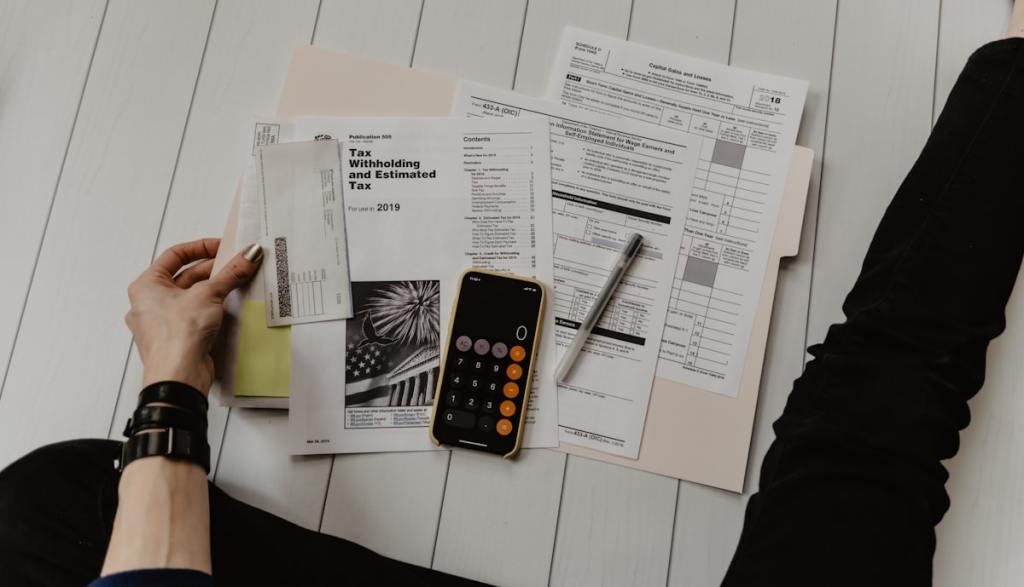
Knowing Your Gross Profit: The Number Between Revenue and Everything Else
Gross profit sits in the middle of the P&L — after revenue, before operating expenses — and it is one of the most important figures on the statement. It tells you how much money remains after you have paid for the product you sold, before you have paid for anything else: before rent, before labor,… Read more
-

Discounting Strategies: Why Discounts Almost Always Cost More Than They Appear
Discounting is one of the most instinctive responses to slow sales in the restaurant industry. Traffic is down, the dining room feels quiet, and the impulse to put something on promotion — a happy hour extension, a buy-one-get-one, a 20-percent-off weeknight deal — is understandable. It feels like action. It looks like a response. The… Read more
-
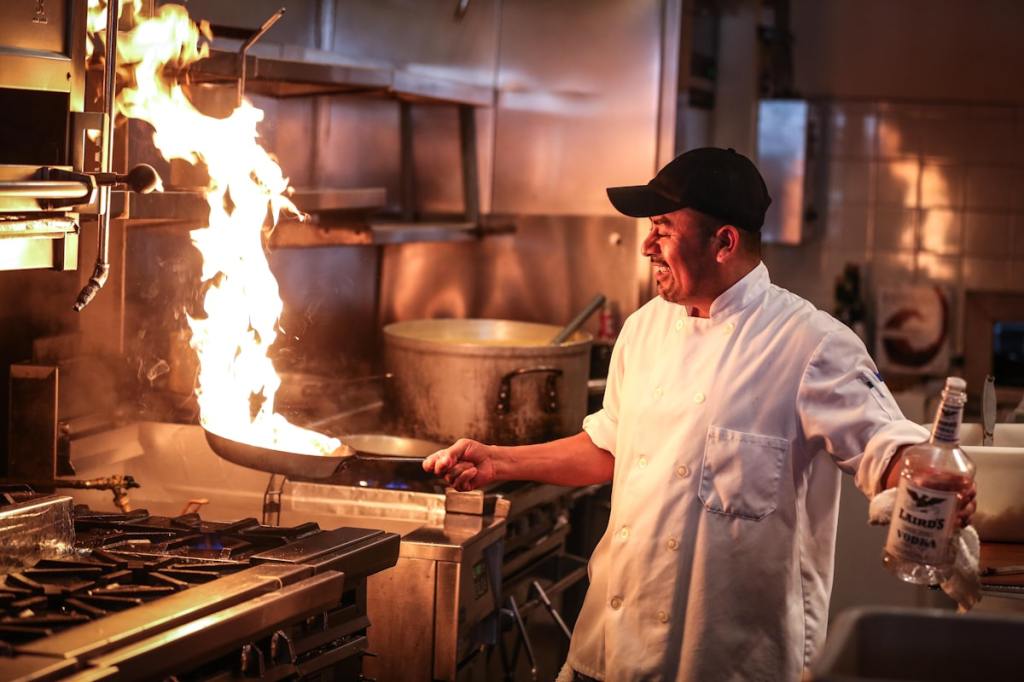
Supplier Relationships: How to Turn Purchasing Into a Competitive Advantage
Most restaurant operators think of their food and beverage suppliers primarily as vendors — companies that deliver product on a schedule and send an invoice. The relationship is transactional: you order, they deliver, you pay. This is a workable arrangement. It is also a significant missed opportunity. A well-managed supplier relationship is one of the… Read more
-
Subscribe
Subscribed
Already have a WordPress.com account? Log in now.
 PROTECTING THE BOTTOM LINE